Bower Yard Limekiln
Explore Bower Yard Limekiln – A Remarkable Piece of Industrial Heritage
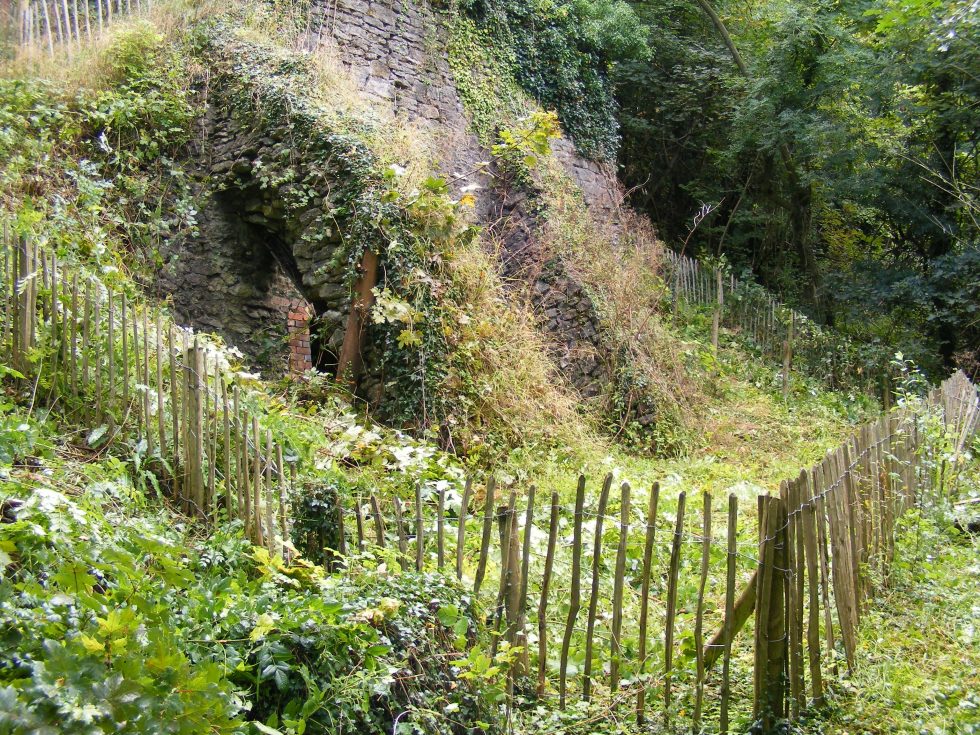
Visible from the Severn Valley Way, the Bower Yard Limekiln is a striking reminder of the Ironbridge Gorge’s industrial past. This well-preserved row of limekilns played a key role during the 18th and 19th centuries, when limestone processing was vital to local industries.
A Glimpse Into the Past
Located at the edge of Benthall Edge Wood, the kilns were once connected to nearby limestone quarries via a steep inclined plane. Quarrying on Benthall Edge dates back to medieval times, but it was during the Industrial Revolution that the site reached its peak.
- High-quality limestone was shipped across the River Severn to fuel iron production
- Lower-grade limestone was processed directly on-site at these kilns
The limekilns operated until the mid-19th century, with a short-lived revival in the 1920s and 1930s—possibly due to renewed economic demand for lime.
Restored for Future Generations
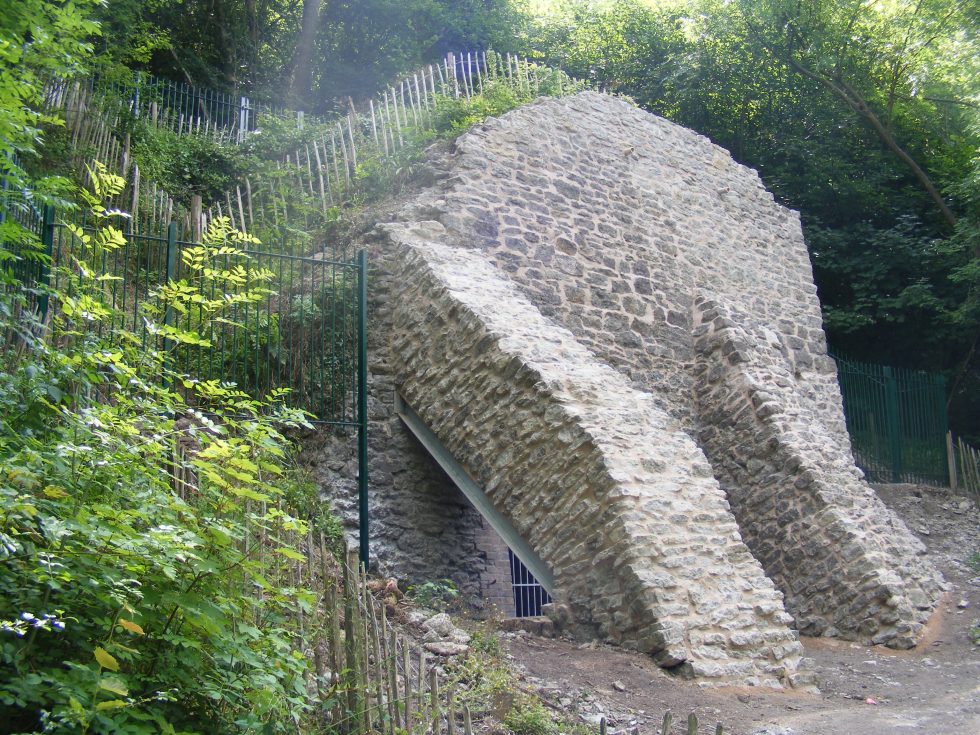
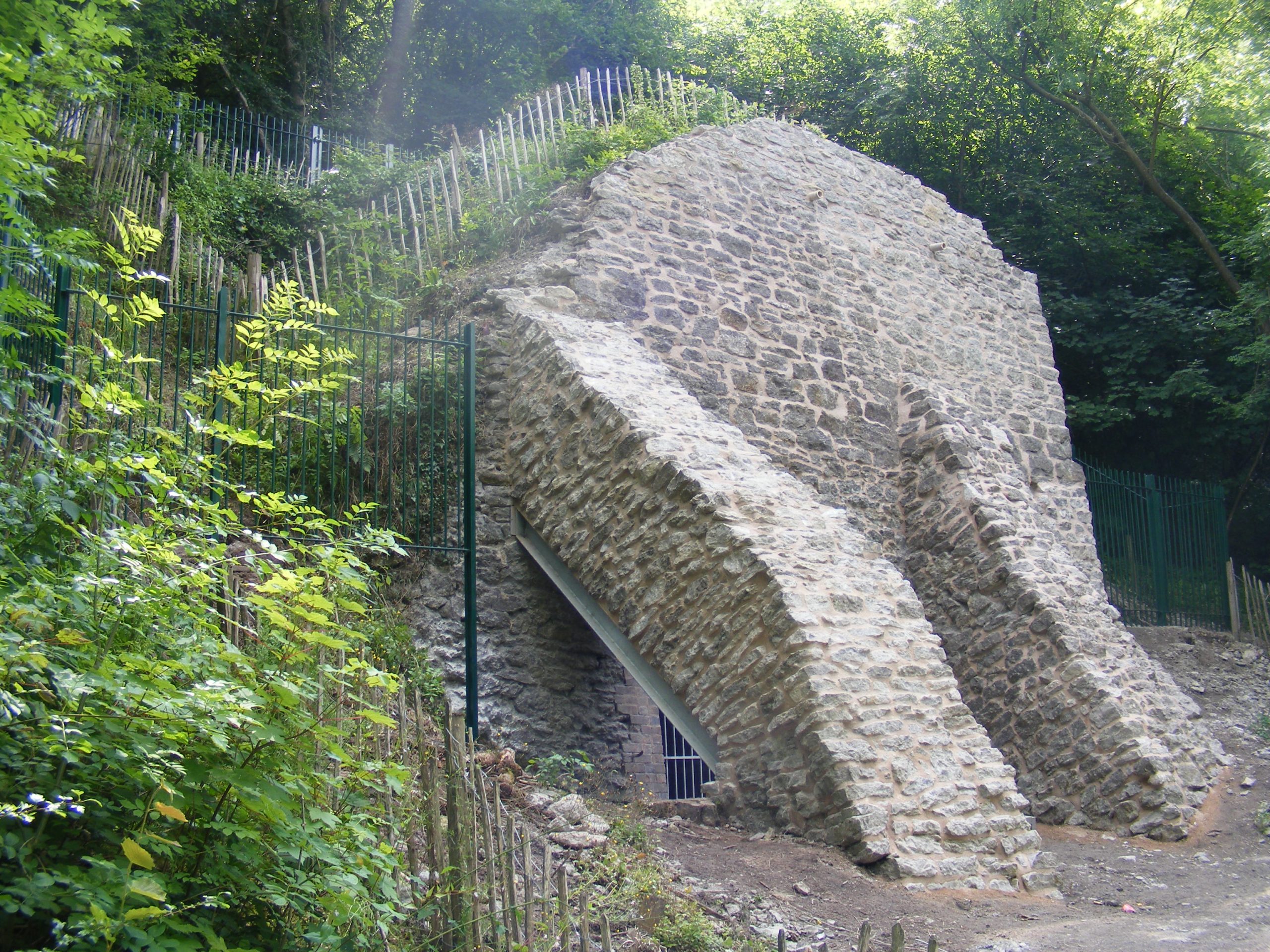
In 2010, the Severn Gorge Countryside Trust secured £70,000 in funding to conserve and restore this important heritage structure. The project included:
- Rebuilding parts of the kiln tops and corners
- Restoring the original stone buttress
- Repointing the historic masonry
- Installing a modern safety fence to protect visitors
Today, the Bower Yard Limekiln stands as a powerful symbol of the Gorge’s transformation during the industrial age and offers a fascinating stop for walkers and history enthusiasts alike. an era of significant industrial transformation and innovation in the Gorge. While the highest-quality limestone was transported to ironmaking furnaces on the river’s north side, lower-grade limestone was processed in limekilns at the eastern end of the woods.
The kilns ceased operation in the mid-19th century but saw a brief revival in the 1920s and 1930s, possibly due to improved economic conditions for limestone extraction.